New BaaS Rules from Financial Regulators: What Changes For Digital Entrepreneurs
If you follow the financial market or are thinking about creating your own digital business, you've probably heard about the new BaaS (Banking as a Service) rules that financial regulators have recently implemented. And you know what this means for you? More security, more opportunities, and a much better organized market for those who want to entrepreneurship in the financial sector. Let's understand together what these changes represent and how you can take advantage of this moment to build or expand your digital business.
11/28/20253 min read
What Is BaaS and Why Should You Care?
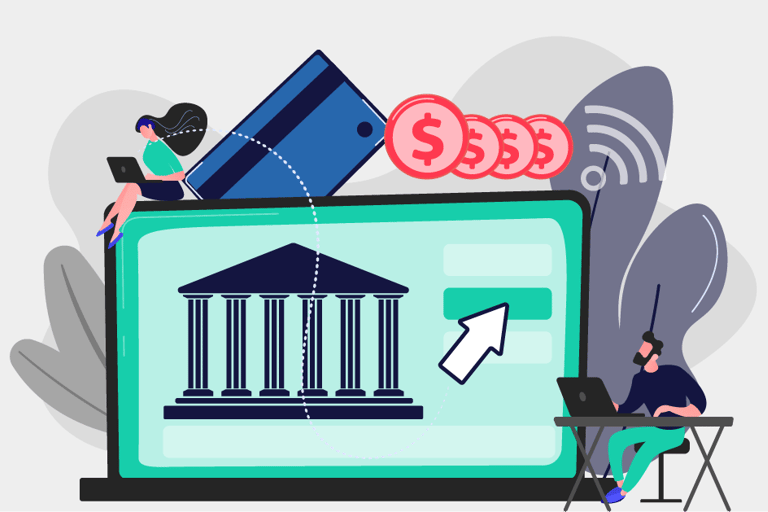
BaaS, or Banking as a Service, is basically when a financial institution offers its banking infrastructure for other companies to use. Think of it as "renting" a bank's services to create your own financial solutions.
You know that delivery app that offers credit cards? Or that sales platform that allows instant payment processing? Most likely they use BaaS behind the scenes.
Why does this matter to you?
Because these new rules make the market more accessible and secure for digital entrepreneurs who want to create innovative financial products without having to become a bank from scratch.
The New Rules: What Changed in Practice?
According to assessments from market experts, the new regulations primarily bring clarity and security for everyone involved.
Clear Definition of Responsibilities
One of the main changes is that it's now much clearer who is responsible for each part of the operation:
The partner bank has specific responsibilities related to financial infrastructure
The company using BaaS has its own obligations to the end customer
The consumer knows exactly who to turn to in case of problems
This eliminates that gray area that existed before and left many entrepreneurs uncertain about entering this market or not.
Encouraging Healthy Competition
With clear rules, more companies feel confident to innovate. And this is great for you, whether as a consumer or as an entrepreneur.
For entrepreneurs: you can create personalized financial solutions for your niche without fear of being on legally uncertain ground.
For consumers: more options, better services, and more competitive prices.
How Do These Changes Impact Your Digital Business?
If you already have an online business or are planning to start one, these new rules open up interesting doors.
1. More Legal Security
Before, many entrepreneurs were afraid to integrate financial services into their products for fear of regulatory complications. Now, with a well-defined regulatory framework, this risk decreases significantly.
2. Monetization Opportunities
Imagine being able to offer your customers:
Personalized credit or debit cards
Digital accounts with your brand
Integrated payment solutions
Cashback and rewards programs
All of this becomes more viable and secure with the new rules.
3. Focus on What You Do Best
With banking infrastructure outsourced through BaaS, you can focus on customer experience and your unique value proposition, while experts handle the regulated financial part.
Market Robustness: What Does This Mean For You?
When experts talk about "market robustness," they're referring to a more mature, reliable, and sustainable ecosystem.
In practice, this means:
Less chance of companies going bankrupt and leaving customers stranded
More investments coming into the sector (including for new startups)
Higher quality standards
Greater consumer confidence in digital solutions
And if you're thinking about creating info products about financial education, digital entrepreneurship, or fintechs, this is the perfect time. The market is hot and people want to understand these transformations.
How to Prepare to Take Advantage of These Opportunities?
You don't need to be an expert in banking regulation to take advantage of this moment. But you need to be informed and prepared.
Educate Yourself About the Digital Financial Market
Understanding the fundamentals of how fintechs, BaaS, and the digital payments ecosystem work is essential. You don't need to be a technical expert, but having an overview of the market makes all the difference.
Identify Opportunities in Your Niche
Think: how could financial services add value to your audience? If you work with e-commerce, online education, freelancer services, or any other niche, there's probably a financial integration opportunity that makes sense.
Stay Updated
The fintech market evolves rapidly. New regulations, tools, and opportunities emerge constantly. Staying on top of these changes puts you ahead of the competition.
The Future of Digital Entrepreneurship is Financial
The truth is that the line between "regular" digital businesses and fintechs is increasingly blurred. Companies from all sectors are incorporating financial services into their offerings.
Think about Uber offering credit cards to drivers, DoorDash with payment solutions for restaurants, or Amazon with its own banking services. They all use concepts similar to BaaS.
The question is no longer "should I think about financial services for my business?" but rather "how can I do this in the best way?"
Take the Next Step in Your Entrepreneurial Journey
The new BaaS rules represent an important milestone for those who want to entrepreneurship in digital. They bring security, clarity, and unprecedented opportunities.
If you're looking to dive deeper into this universe and discover how to apply these trends to your own business, the time is now. The market is organizing itself, consumers are increasingly open to digital solutions, and opportunities are emerging every day.
Want to turn this knowledge into action? Start studying the possibilities that make sense for your business or area of expertise. And remember: in a transforming market, those who move first get ahead.
The future of digital entrepreneurship has already begun. And you, are you ready to be part of it?
Information about the financial market evolves constantly. Stay updated and always seek reliable sources to make decisions about your business.
Contact:
Contact us for questions and suggestions!
Email:
contato@aureumsmartfinance.com
© 2025. All rights reserved.